
Twin-Pharmacist-led coaching for health and body optimisation
“ From Burnout To Barbell ”
The Purpose Driving Our Work
Most programmes for chronic conditions play it safe, telling you to slow down and settle for “managing” your symptoms. That’s not what we do here at HealthSauce.
We help people living with Polycystic Ovary Syndrome, Type 2 Diabetes, Hypertension, and Depression, including those on antidepressants take back control of their body, energy, and confidence.
This is structured, pharmacist-led performance coaching designed to help you get stronger, leaner, and more energised, without extremes or guesswork. Because when you’re dealing with fatigue, hormonal disruption, medication side effects, or unstable blood sugars, you don’t need vague advice, you need a plan that actually works with your body and your life.
We deliver exactly that: training that drives real physical change, nutrition that supports metabolic health, and coaching that understands both the physiology and psychology of long-term conditions.
This is where things shift. You stop feeling stuck, drained, and inconsistent and start building strength, stable energy, and real confidence.
We’re not here to help you cope.
We’re here to help you take control and outperform your condition.
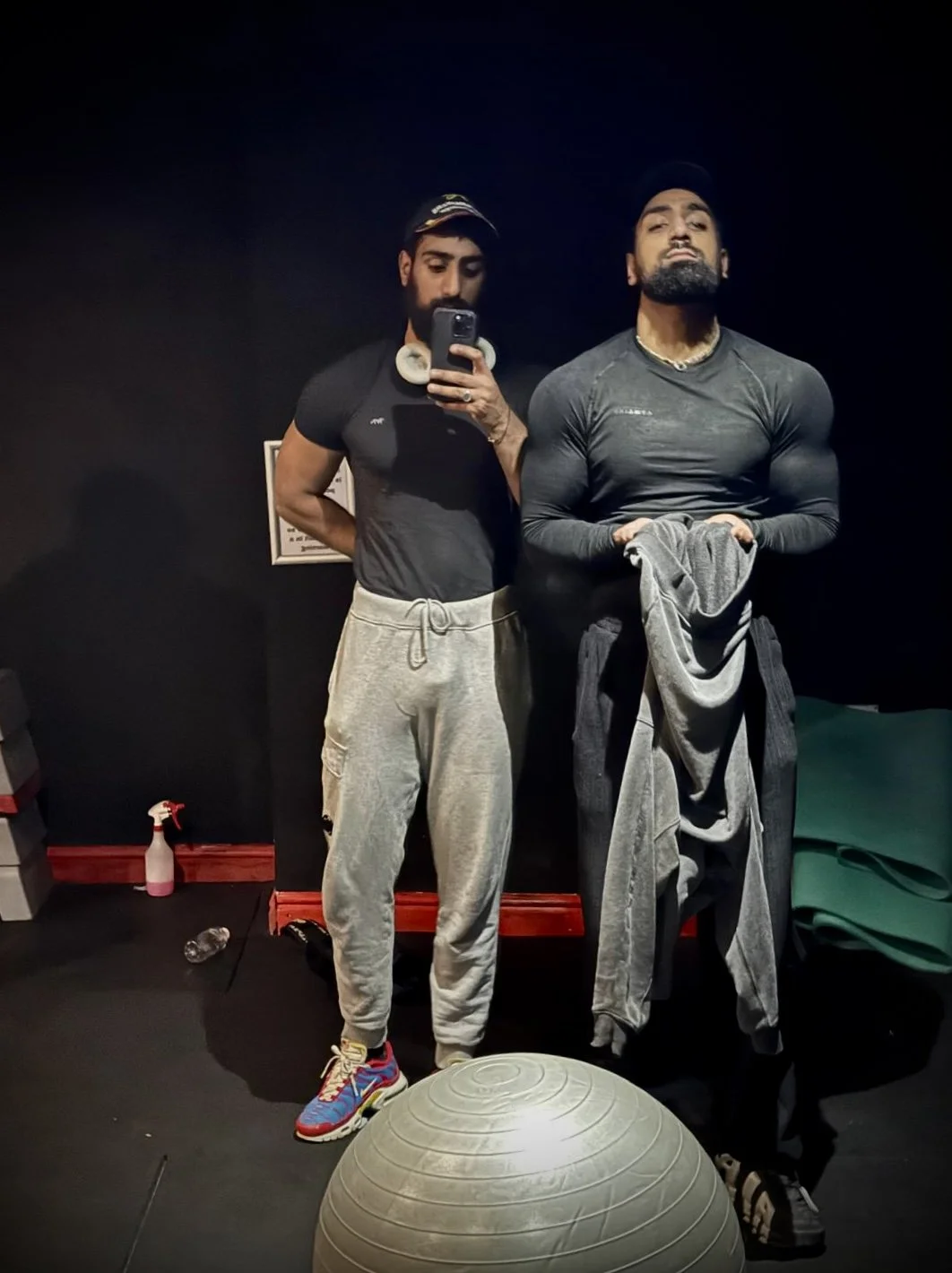
Our Philosophy - “Backed By Science”
-
Living with a long-term condition doesn’t just affect your body. It impacts your mood, energy, and sense of control.
Strength and resistance training is one of the most clinically supported ways to rebuild that.
High-quality evidence now shows that exercise is not just helpful, but comparable to frontline treatments for Depression. A 2024 network meta-analysis published in the BMJ, analysing over 200 randomised controlled trials, found that structured exercise, including strength training, produces significant reductions in depressive symptoms across a wide range of populations, including those with co-morbid conditions.
More specifically, resistance training has been shown to produce moderate to large antidepressant effects. Recent 2024 and 2025 meta-analyses confirm consistent improvements in both depression and anxiety symptoms across clinical and general populations. In some controlled trials, structured strength training has delivered clinically meaningful reductions in depressive symptoms within as little as eight weeks.
These effects are supported by well-established physiological mechanisms, including improvements in dopamine and serotonin regulation, alongside reductions in systemic stress and inflammation.
However, the impact goes beyond biology.
For individuals managing fatigue, metabolic dysfunction, or chronic conditions, one of the biggest challenges is the loss of control. Progressive resistance training helps restore that. It provides structure, measurable progress, and a consistent behavioural anchor, all of which are key to improving confidence and long-term mental resilience.
Exercise interventions are also consistently associated with improvements in self-esteem, quality of life, and overall mental wellbeing across recent systematic reviews.
This is not about short-term relief.
It is about building the physical and psychological capacity to manage your condition more effectively and regain control of your health.
-
Your musculoskeletal system is the foundation of how you move, feel, and function every day. But with long-term conditions, inactivity, pain, or fatigue, it’s often the first thing to decline.
Strength and resistance training is one of the most effective ways to rebuild it.
It plays a critical role in maintaining muscle mass, protecting joint health, and preserving bone density, all of which are essential for long-term function and independence. This is particularly important for people managing chronic conditions, where reduced activity, inflammation, or medication effects can accelerate physical decline.
High-quality evidence consistently shows that resistance training improves strength, mobility, and physical function, while also reducing chronic pain. A 2022 systematic review in the British Journal of Sports Medicine reported significant improvements in musculoskeletal strength and functional capacity across a wide range of populations, including those with long-term health conditions. Similarly, a 2023 review in The Lancet Rheumatology highlighted resistance training as a key intervention for reducing joint pain and improving mobility in individuals with chronic musculoskeletal disorders.
There is also strong evidence that strength training supports bone health and reduces the risk of fractures, particularly with ageing. The World Health Organization and National Institute for Health and Care Excellence both recommend regular muscle-strengthening activity as a core component of long-term health and disease prevention.
Beyond the physical benefits, improving strength and movement has a direct impact on confidence, energy, and quality of life. Everyday activities become easier. Pain becomes more manageable. Your body starts to feel more capable again.
This is not just about exercise.
It is about protecting your body, reducing pain, and rebuilding the strength you need to live well with your condition.
-
Living with a long-term condition can place extra strain on your immune system. Ongoing inflammation, poor sleep, stress, and reduced physical activity can all weaken your ability to fight illness and recover effectively.
Strength and resistance training is a powerful way to support and strengthen your immune function.
Regular training helps regulate inflammation, improve circulation of immune cells, and reduce the negative impact of chronic stress on the body. It also supports better metabolic health and sleep quality, both of which play a central role in maintaining a strong and balanced immune response.
Importantly, exercise does not just strengthen the body externally. It enhances how your immune system functions at a cellular level, improving your ability to respond to infection while reducing excessive inflammatory responses that are common in many chronic conditions.
High-quality evidence supports this. A 2023 review in Sports Medicine confirmed that regular moderate-intensity exercise, including resistance training, improves immune surveillance and reduces the risk of common infections. Similarly, a 2022 review in Nature Reviews Immunology highlighted that physical activity enhances T-cell function, reduces chronic inflammation, and improves overall immune regulation, particularly in individuals with long-term health conditions.
There is also strong evidence linking exercise to improved recovery. Regular training has been shown to improve sleep quality and reduce stress-related cortisol levels, both of which are essential for maintaining immune balance and resilience.
For individuals managing conditions such as Type 2 Diabetes or Hypertension, this becomes even more important, as immune dysfunction and chronic inflammation often play a central role in disease progression.
This is not about avoiding illness completely.
It is about strengthening your body’s ability to respond, recover, and stay resilient over time.
-
Living with a long-term condition often disrupts sleep and recovery. Pain, stress, hormonal imbalance, and low energy can make it harder to fall asleep, stay asleep, and wake feeling restored.
Strength and resistance training can help reset that.
Regular training supports deeper, more consistent sleep by regulating your body’s internal clock and improving sleep drive. It helps reduce elevated stress hormones such as cortisol while supporting natural sleep processes, leading to better sleep quality and improved next-day energy.
It also plays a key role in physical recovery. By improving circulation, supporting tissue repair, and strengthening the nervous system, resistance training helps your body recover more effectively from daily stress and fatigue. This is particularly important for individuals managing chronic conditions, where recovery capacity is often reduced.
There is strong evidence supporting this. A 2022 systematic review in the Journal of Sleep Research found that resistance training significantly improves sleep quality and reduces sleep disturbances, particularly in individuals with health conditions. Similarly, a 2021 review in Psychoneuroendocrinology showed that regular exercise helps regulate cortisol rhythms, supporting better sleep onset and overall sleep depth.
Exercise has also been consistently linked to improvements in recovery and fatigue. A 2023 review in Sports Medicine highlighted that resistance training enhances physical recovery, reduces fatigue, and improves overall energy levels through both physiological and neurological adaptations.
Beyond the physical effects, better sleep has a direct impact on mood, focus, and resilience. When sleep improves, everything else becomes easier to manage.
This is not just about training harder.
It is about helping your body recover properly, restore energy, and function at its best.
-
Living with a long-term condition can change how you see yourself. Low energy, weight fluctuations, and reduced physical capacity often lead to a loss of confidence and identity.
Strength and resistance training helps rebuild that.
This is not just about physical change. It is about restoring a sense of capability, presence, and control. As strength improves, so does posture, movement, and physical resilience. Everyday tasks feel easier. Your body feels more reliable. That alone has a powerful impact on how you carry yourself and how you feel day to day.
There is also strong evidence linking resistance training to improvements in self-esteem and body image. A 2022 study in the Health Education Journal found that individuals engaging in regular strength training reported significantly higher levels of confidence and self-perception. Similarly, research published in BMJ Open in 2023 showed that visible physical improvements such as posture and energy levels are associated with increased self-confidence and more positive social and behavioural outcomes.
More recent evidence continues to support this. A 2024 study in the Journal of Occupational Health Psychology found that structured resistance training programmes improved self-perception, confidence, and overall wellbeing, particularly in individuals managing high levels of stress or long-term health challenges.
Beyond the physical changes, the process itself matters. Progressive training builds discipline, consistency, and a clear sense of progress. These are key drivers of self-belief, especially for those who feel limited by their condition.
Over time, this creates a shift.
You move from feeling defined by your condition to feeling capable in your body again. You stand differently. You think differently. You show up differently.
This is not about appearance alone.
It is about rebuilding confidence, restoring identity, and feeling strong in your body again.
-
Living with a long-term condition often raises an important question: not just how long you live, but how well you live.
Strength and resistance training is one of the most effective ways to improve that.
It plays a central role in healthy ageing by preserving muscle mass, maintaining bone density, and supporting joint function. These are key factors in reducing the risk of frailty, falls, fractures, and loss of independence over time.
Beyond the musculoskeletal system, resistance training has a powerful impact on long-term health. It improves metabolic function, supports cardiovascular health, and helps regulate blood sugar and blood pressure. This is particularly important for individuals managing conditions such as Type 2 Diabetes and Hypertension, where long-term complications are closely linked to physical decline and inactivity.
High-quality evidence supports this. A large systematic review in the British Journal of Sports Medicine (2022) found that muscle-strengthening activities are associated with a 10–20% reduction in all-cause mortality, as well as significant reductions in the risk of cardiovascular disease, cancer, and diabetes. Similarly, a 2022 Cochrane Review confirmed that strength and balance training significantly reduces fall risk and improves physical function, particularly in older adults and those with reduced mobility.
There is also growing evidence linking resistance training to cognitive health. A review in Neurobiology of Aging (2021) highlighted improvements in brain function, including memory and executive function, alongside increased cerebral blood flow and neuroprotective factors.
Importantly, these benefits are not just about preventing decline. They are about maintaining independence, energy, and quality of life.
As strength improves, everyday tasks become easier. Movement feels more stable. Confidence increases. You are better equipped to manage your condition and stay active for longer.
This is not just about living longer.
It is about staying strong, capable, and independent for as long as possible.
-
If you’re living with a long-term condition, medication is often part of your daily life. But most fitness and coaching programmes ignore that completely.
We don’t.
As pharmacist-led coaches, we understand how medications interact with your body, your energy levels, your appetite, and your ability to train and recover. Whether you’re taking antidepressants, treatments for Type 2 Diabetes, or medication for Hypertension, these factors are built into your plan from day one.
Many medications can influence weight, fatigue, sleep, and motivation. Without the right approach, this can make progress feel slow or inconsistent. With the right strategy, it becomes manageable.
Your training, nutrition, and recovery are adjusted to work with your treatment, not against it. That means knowing when to push, when to pull back, and how to structure your routine around real-life physiology, not generic advice.
This is not about replacing medical care.
It is about bridging the gap between clinical treatment and real-world results.
So you can make progress safely, confidently, and with a plan that actually reflects how your body works.
Why Choose Healthsauce?
-
![]()
20+ Years of Training Wisdom, Not Just Qualifications
Together, we bring over two decades of hands-on training experience, both personally and professionally. We don’t follow trends—we build long-term strength, movement, and recovery strategies that have stood the test of time and real-world results.
-
![]()
Healthcare Meets Human Performance
We combine clinical knowledge with coaching expertise—bridging the gap between wellbeing and performance. This means safer, smarter, and evidence-based strategies to manage weight, MSK issues, sleep, stress, and immune resilience—without compromising health.
-
![]()
Dual-credential authority
We are practising pharmacists and qualified personal trainers, combining clinical expertise with coaching to deliver safe, evidence-based programmes tailored to your health, so you can make real progress with a plan built for your body, not a generic template.
-
![]()
We Coach Beyond the Gym
Our approach goes beyond the physical. It is emotional, psychological, and strategic, helping you better manage your condition, reduce stress, improve sleep, build resilience, and stay in control in everyday life.
-
![]()
Built-in Credibility & Trust
As healthcare professionals ourselves, we embody the lifestyle we coach. Our clients don’t just get stronger—they become role models in their teams and communities. We help NHS workers look, feel, and lead the way our patients need to see us.


Learn about our coaching
Are you an individual ?
“With your demanding and engulfing schedule in mind, our expert coaching is designed specifically for practitioners, helping you enhance energy, build strength, aesthetics, and improve resilience without adding complexity to your routine.”
Are you an employer ?
“Investing in staff health isn’t just good for morale; it leads to better patient care, higher productivity, and reduced absence.” Book a consultation today to explore how we can deliver tailored solutions that keep your workforce healthy, engaged, and resilient.”